Empowering Weight Loss Feltham: A Comprehensive Guide for Individuals with Disabilities
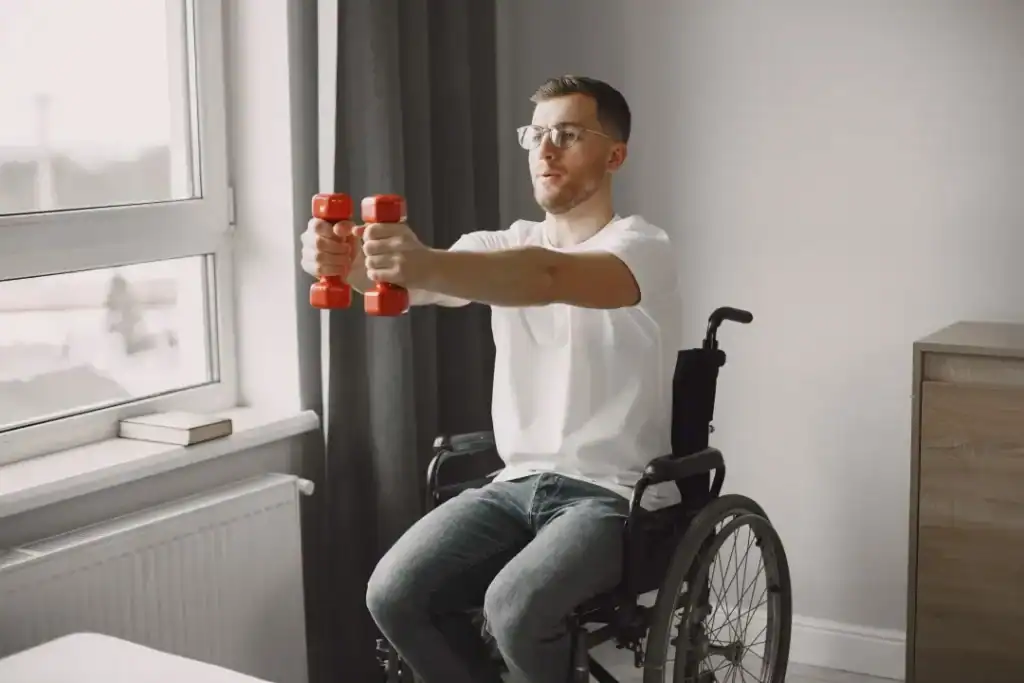
Weight management can be especially challenging for individuals with disabilities. Research shows that people with disabilities are about 53% more likely to experience obesity than those without disabilities.
This disparity often stems from a combination of mobility constraints, chronic pain, accessibility barriers (including in food access and exercise facilities), and a lack of tailored support programmes.
This article aims to offer guidance on strategies, supports, and non-surgical adjuncts that someone with a disability might consider. Always consult your healthcare team before beginning any new plan.
Understanding the Unique Barriers to Weight Loss Feltham
People with disabilities face a variety of obstacles that make weight loss harder:
- Limited mobility or physical capacity — some exercises may be difficult or impossible, increasing reliance on lower-intensity or adapted movement.
- Chronic pain, spasticity, or fatigue can reduce consistent activity.
- Accessibility and infrastructure issues — e.g. lack of adaptive equipment in gyms, difficulty reaching fresh groceries, transportation challenges.
- Psychological stressors — social isolation, mental health burdens, or feeling unable to access “mainstream” wellness programmes.
- Tailoring and inclusion gaps — many weight-loss programmes do not account for individual differences in ability, cognition, or medical comorbidities.
It is key to create a sustainable, adapted plan rather than forcing a one-size-fits-all approach.
Nutrition: The Cornerstone of Weight Loss Feltham
Nutrition is absolutely central, regardless of mobility. Some guiding principles:
- Aim for a balanced, nutrient-dense diet—Emphasise whole foods: vegetables, fruits, lean protein, whole grains, legumes, healthy fats.
- Portion control and calorie balance. To lose weight, you need a modest calorie deficit (without severe restriction). A realistic and sustainable weight-loss target is 0.5-2 lb (≈ 0.25–0.9 kg) per week.
- Hydration and satiety strategies. Drinking water regularly can help reduce false hunger cues.
- Meal planning and preparation. Where possible, batch-cook or plan meals to reduce reliance on convenience foods (which tend to be high in sodium, sugar, and fat).
- Adjusting macronutrient composition is useful. Some individuals respond well to a slightly higher protein approach (within safe renal limits) to help preserve muscle and manage appetite.
- Use accessible food shopping strategies. For those with mobility limitations, consider grocery delivery, online orders, or nearby services to ensure a consistent supply of healthy items.
Nutrition should always be tailored to your medical conditions (e.g. diabetes, kidney disease, digestive issues), medications, and personal preferences.
Physical Activity Adapted for Abilities To Aid Weight Loss Feltham

Moving your body—in whatever way you can—is vital for energy expenditure, cardiovascular health, muscular health, and mental health. Here are adapted strategies:
- Seated or chair-based exercises. Resistance bands, light weights, arm ergometers, or upper-body circuits.
- Adaptive sports. Includes wheelchair basketball, wheelchair tennis, adapted swimming, hand cycling or inclusive classes for people of all abilities.
- Low-impact modalities. Chair yoga, chair aerobics, stretching & range of motion exercises.
- Home-based video or online adaptive workouts. Many platforms now offer guided sessions tailored for individuals with lower mobility.
- Accessible gym equipment. Seek out gyms with adaptive machines (e.g., transfer benches and wheelchair-accessible weight machines) or ask staff for support.
- Progress gradually. Start with short durations and very low intensity, and increase slowly as tolerated.
Incorporating mIncorporating movement—however modest—helps preserve muscle, supports metabolic rate, and aids mood regulation, reinforcing the value of adapted activity above. Treatments That Can Aid Weight Loss
Although definitive “weight loss” is still the result of diet and exercise, many non-surgical/manually minimally invasive treatments can assist in this journey, especially in those with impaired mobility. Always, they should be used under guidance and in conjunction with lifestyle fundamentals, not as substitutes.
Cryolipolysis / “fat freezing –
The Cryolipolysis technique uses controlled cooling to target fat cells without damaging surrounding tissues. Some providers promote it to reduce localised fat deposits in areas that may be harder to address via exercise.
Limitations: Not a substitute for general weight loss; more suited for refining contours once you’ve reduced weight through lifestyle changes.
Injection-based fat reduction (e.g. Aqualyx)
Injections of fat-dissolving solutions may help in small, resistant areas.
Caveat: Requires medical supervision; often reserved for localised fat, not global weight loss.
Electrical muscle stimulation (EMS / ESM)
Electrodes stimulate muscle contractions even when voluntary movement is limited. Over time, this may help maintain muscle tone or metabolic activity.
Risks/Precautions: Use under guidance; do not use over implanted devices, pacemakers, or skin breakdown, or in patients with neurological dysfunction.
Radiofrequency/ultrasound fat or skin tightening.
Certain devices utilise heat, sound waves, or radiofrequency energy to enhance collagen production, tighten tissues or decrease small areas of fat. But more than just weight-loss tools, they may simply improve how one looks and how one feels about oneself while losing excess pounds at a slower rate. These are non-surgical adjuncts which should be used only in the proper context.
Combination / hybrid protocols
In advanced clinics, combinations of these modalities (for example, an innovative cryolipolysis + RF + EMS with North American range) are used to achieve synergistic effects. Make sure the clinic is a credible, accredited, and medically supervised practice, with every treatment used within the scope of practice.
Note: These therapies are not panaceas. They are most effective as complements to diet and exercise-based weight reduction, or for stubborn areas of concern, but caution is warranted in their use under a medical professional’s supervision. Social Support Around Weight Loss
Losing a few pounds is mental as much as it is physical:
Set realistic, individualised goals. Set process goals (e.g. “Every day for lunch I will eat one vegetable) instead of just outcome goals (e.g. 20 kg loss).
Celebrate incremental wins. Every small change is progress.
The ability to reduce stress-related eating is supported by practices such as meditation, deep breathing, journaling, and guided imagery. Therapeutic support may help shift mindsets — for ex, CBT or motivational interviewing.
Peer and accountability groups. These tips can be shared in local disability-friendly groups and online communities, so we feel less isolated.
Family/caregiver education. The involvement of the caregiver in food prep or assisting with mobility can be very important and being able to pen-pair messages that demonstrate their understanding and support will be vital.
Building Psychological and Social Support Around Weight Loss Feltham
Weight loss is more than physical—it’s mental:
- Set realistic, individualised goals. Focus on process goals (e.g. “I’ll eat a vegetable with lunch every day”) rather than only outcome goals (e.g. “lose 20 kg”).
- Celebrate incremental wins. Every small change is progress.
- Practices such as meditation, deep breathing, journaling, and guided imagery can help reduce stress-related eating. Therapeutic support through cognitive-behavioural therapy (CBT) or motivational interviewing can help shift mindsets.
- Peer and accountability groups. Both local disability-friendly groups and online communities can encourage sharing tips and reduce feelings of isolation.
- Family/caregiver education. When caregivers are involved in food prep or mobility assistance, their understanding and support can be critical.
Safety, Medical Oversight, & Personalisation Weight Loss Feltham
Especially for individuals with disability, it is critical to:
- Consult your doctor, dietitian, or specialist before starting any new diet, exercise regimen, or non-surgical therapy.
- Tailor to your medical profile. Many disabilities come with comorbidities (e.g. cardiovascular risk, bone health issues, neurological conditions) that affect what’s safe and feasible.
- Avoid extreme or rapid approaches. Crash diets or overly aggressive regimens may cause harm or nutritional deficiencies.
- Monitor progress thoughtfully. Use body measurements, functional metrics, strength and endurance, and mental health indicators—not just scale weight.
- Adapt plans over time. Adjust diet, movement, or therapy choices as your abilities, health status, and preferences evolve.
Frequently Asked Questions (FAQ) Around Weight Loss Feltham
Q1: Can I lose weight if I have minimal mobility?
The approach needs to be adapted — in what style? Nutrition is even more front–and–centre– and seated exercise, adaptive therapies (e.g., vibration, EMS), and low-impact movement can support it. It is all about consistency, adjustments, and medical guidance.
Q2: Is It Safe for the Disabled to Use Non-Invasive Procedures?
Yes, under professional guidance. Some modalities are contraindicated in specific conditions (examples include skin breakdown, oedema, implants, and electrical or neurological conditions). Think about your entire medical history and see a disability-accessible clinic.
Q3: Which is a reasonable or secure amount of weight loss?
A consistent, maintainable goal would be ≈0.25- 1 kg (≈0.5–2 lb) per week. When it comes to weight loss, faster is not necessarily better and can increase the risks of nutritional deficiencies, muscle loss or medical complications.
Q4: How long before I see results from (say) cryolipolysis or EMS?
These therapies typically yield gradual results over several weeks to months. They are not instantaneous. Their best use is on residual fat areas or when conventional methods plateau, within the limits of each treatment.
Q5: Do insurance companies cover these nonsurgical alternatives?
This is determined by your geographical location, your insurer, and your medical needs. This further complicates matters, as many aesthetic or adjunct modalities are largely elective and may not be covered. When possible, ask your provider and obtain medical records.
Q6: Fluctuating health (energy/pain)
Flexible planning is essential. On low-energy days, switch to a milder activity or rest. Adjust calorie targets minimally. Take out some nuggets of wisdom, think about what you want to achieve through therapy and find a therapist or coach who specialises in wellness with a disability-forward focus.
Q7: How to pick a reliable clinic for non-surgical therapies?
Look for clinics with accreditation, medical oversight, transparent protocols, experience working with patients who have disabilities, pre-treatment assessments, and comprehensive follow-up.
For More Information Call Us On This Number 03300 100 576